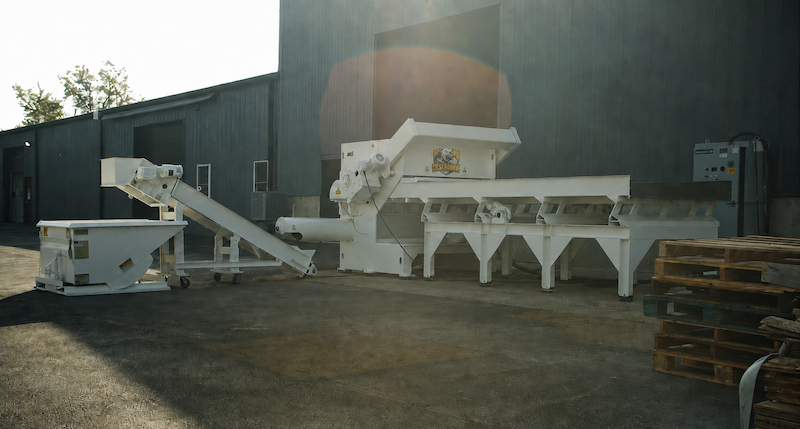
If your plant is already feeling the pressure of manufacturing peak season, you do not need another reminder that downtime is expensive. You are living it. By late Q3, heavier order volume, tighter shipping windows, and less room for error are already changing the pace on the floor. Scrap builds faster. Bins fill sooner. Fork trucks make more trips. Operators lose time to material that should already be out of the way.
This is where your waste stream stops being a background issue and starts affecting output. If your industrial shredding equipment is not ready for the remainder of the busy season, the cost does not stay inside maintenance. It shows up in lost throughput, lost labor, missed opportunities, and preventable disruption in the work centers that make your plant money.
Late Q3 Exposes Problems That Were Easy To Ignore Earlier In The Year
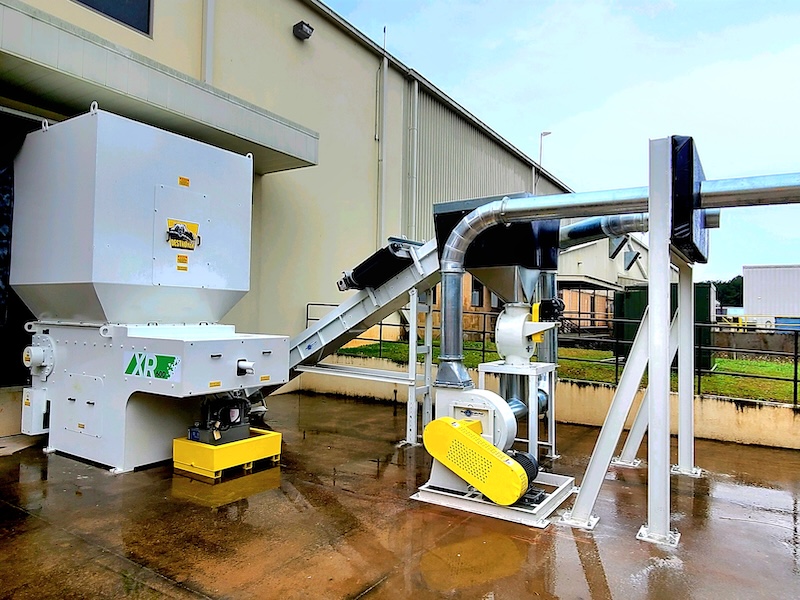
When production picks up, scrap volume rarely rises in a clean, predictable line. It comes in bursts. One shift may send a steady stream of trim, rippings, and cutoffs into the grinder. The next may add broken pallets, oversized bundles, rejects, and bulky off-cuts that test the real capacity of your system.
That is why this stage of the year tends to expose weak points quickly. A grinder that seemed fine in spring or early summer can suddenly feel undersized or harder to keep running once production stays elevated. Material starts backing up. Operators stop doing value-add work to deal with scrap. Maintenance gets pulled into reactive repairs instead of scheduled work. Before long, the machine that should support production is setting the pace for production.
For operations that rely on wood waste recycling, that strain often shows up as inconsistent feed, overflowing hoppers, too much material staging, and too many touches between the point of waste generation and the grinder. In plastics operations, the same pressure can show up when purgings, bulky scrap, or edge trim start outrunning downstream handling. Either way, the waste process becomes a bottleneck instead of a support system.
The First Warning Sign Is Often Not A Breakdown; It Is Neglected Routine Maintenance
One of the most common mistakes during busy months is assuming that if the grinder is still running, it is fine. Routine preventative maintenance is easy to overlook when production is not yet at full throttle. But an industrial grinder has one of the hardest jobs in the plant. It lives with constant wear, heavy loads, contamination risk, and the occasional surprise from foreign material getting into the mix.
High production demand exposes any weakness immediately. That is true for a saw, a sander, or a grinder. It is also why unplanned downtime hits so hard when orders are up and the schedule is tight. A grinder can be built for decades of service and still need disciplined upkeep if you want to protect longevity and total cost of ownership.
Late Q3 is the right time to look closely at the rotor and the condition of the cutters, holders, and stationary knives. Tramp metal can break tooling and holders, and you may not see that damage until you perform a routine tooling rotation. The same goes for screens and feed components. If a wrench, pry bar, or other foreign material has made its way into the machine, the damage may be costing you output long before it causes a full stop.
There are also simpler checks that matter more than many plants realize. Rotating tooling to maintain a sharp edge helps you get the most output for every kilowatt-hour you spend. Cleaning bearing pockets daily reduces the risk of heat buildup from friction. Proper lubrication extends bearing life. Routine PM also helps your team catch abnormalities that would otherwise go unnoticed, like a small puddle of oil that signals it is time to replace seals on a hydraulic cylinder.
Those details directly impact production efficiency. They keep the grinder closer to factory-new performance and help your team find problems while they are still manageable.
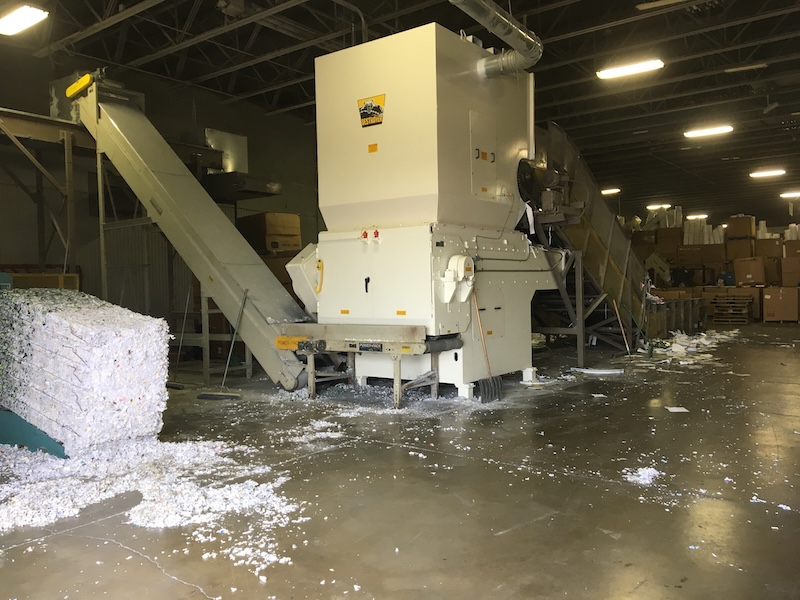
Scrap Handling Costs Rise Fast When Your Team Is Touching Material Too Many Times
Peak season pressure is not only about how much scrap you generate. It is also about how often your team has to move it.
If your current wood waste management process still depends on repeated fork truck trips, overloaded carts, manual drag-out, or staging piles that eat up floor space, the cost compounds quickly. That is labor your operation cannot afford to lose late in the year. It is also time your operators should be spending on throughput, quality, and shipment readiness.
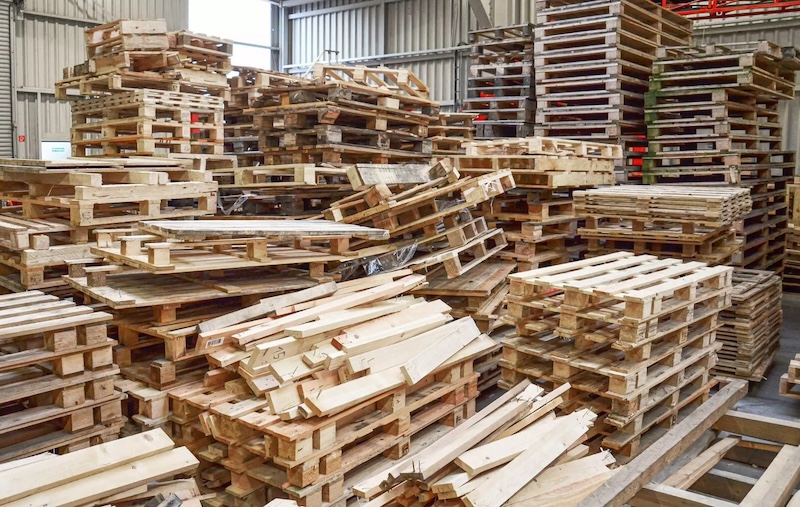
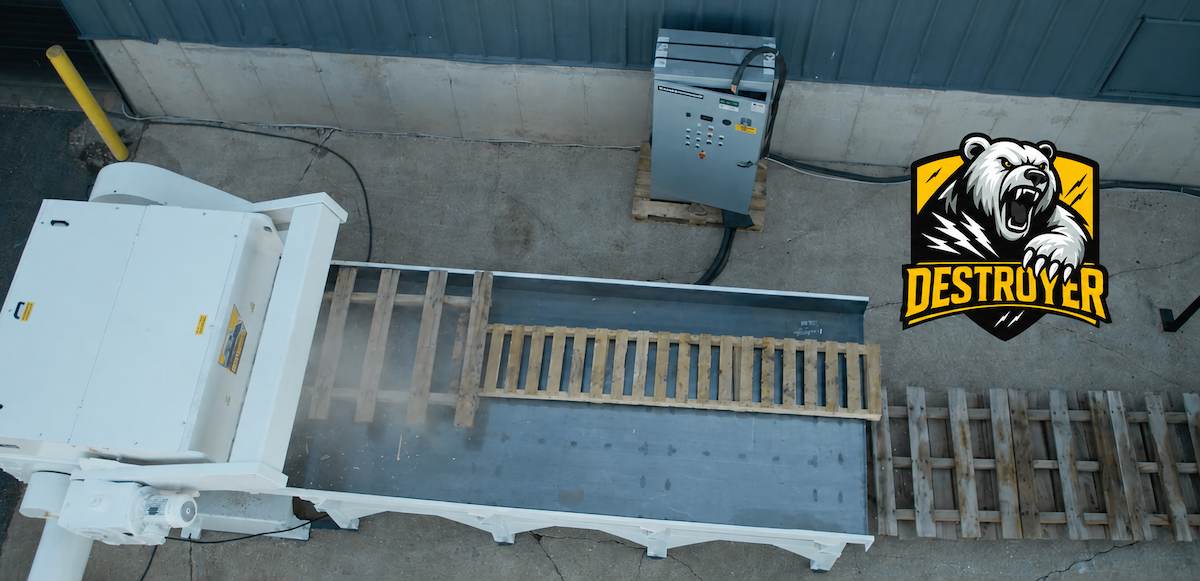
This becomes especially visible in pallet manufacturing, where damaged boards, broken stringers, cutoff material, and returned pallets can pile up quickly when demand stays high. For facilities evaluating pallet recycling equipment, the real question is not whether scrap can be processed eventually. The question is whether it can be processed fast enough to stay out of the way while the rest of the floor keeps moving.
The same principle applies in wood products and plastics. Good industrial recycling equipment should reduce unnecessary handling, improve material flow, and keep scrap from becoming its own labor problem.
Five Questions To Ask Before Q4 Starts
If you are late in Q3 and trying to protect uptime for the rest of the season, these are the questions worth asking now:
- Is your grinder handling your current scrap volume, not last quarter’s volume?
What worked during a lighter production stretch may already be behind the pace your floor is running today. - Are worn parts quietly cutting throughput?
You do not need a full breakdown to be losing money. Reduced output, more plugging, more vibration, and more operator intervention are all signs that performance is slipping. - Do you know the condition of your rotor, cutters, holders, stationary knives, and screens?
If you have not inspected them recently, you may be running damaged tooling without realizing it. - How much labor is tied up in manual scrap handling each shift?
When operators are dragging material, repositioning bins, or waiting on fork trucks, your plant is paying a hidden cost every day. - What is the cost of doing nothing differently for the rest of the year?
That is the question that helps separate a maintenance issue from a workflow issue or an upgrade decision.
If these questions reveal friction, that is useful. They point directly to the places where downtime, excess labor, and missed throughput are most likely to show up as Q4 demand builds.
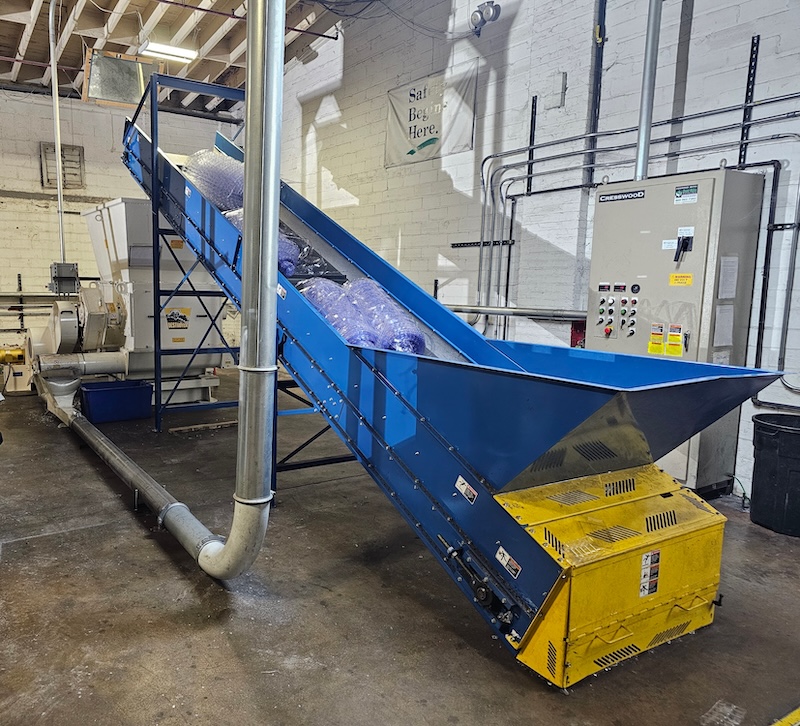
How To Decide Between Service Work, Workflow Changes, And An Upgrade
Not every plant needs new equipment in late Q3. In many operations, targeted service work, spare tooling on hand, and a few workflow corrections can stabilize performance quickly. In others, the bigger issue is that the system no longer fits the operation.
A practical way to make that decision is to ask what the cost of not changing anything looks like. Is the current level of downtime, labor waste, floor congestion, or landfill expense acceptable for the health of the business, or not? What opportunity do you gain if the system runs more cleanly through Q4 and into next year? Has anyone built an objective ROI case, or is the team still operating on assumptions?
This matters even more for companies balancing cash flow and capital decisions carefully. Some traditional pallet operations have seen long stretches of slow growth, while custom-engineered packaging businesses and consolidated operators may be carrying very different demand profiles. The answer is not always to spend. The answer is to understand whether your current setup is protecting the business or holding it back.
Staffing should be part of that analysis too. If labor is tight, equipment investment may not be about adding headcount. It may be about reallocating the people you already have so they can support increased production instead of babysitting scrap.
For wood applications, the right industrial wood grinder can help process blocks, end cuts, pallet scrap, crates, and particle board with less handling and more consistent output. For plastics operations, a properly matched plastic recycling shredder can size-reduce bulky scrap and purgings before they drag down the rest of the process.
The Strongest Plants Treat Waste Processing Like Part Of Production, Not Cleanup
One of the clearest differences between stronger plants and struggling ones is how they think about scrap. In smaller operations, the pain may not be severe enough to justify changing anything. Material handling costs are limited, and the ROI for recycling equipment may not be there yet.
But many companies outgrow that stage and still operate under the same old scrap habits. Scrap gets handled the way it always has. Piles build up because that is what the team is used to. Fork trucks keep making extra runs because no one has stopped to calculate what those touches are really costing.
That mindset gets expensive. Some companies are spending $200,000 to $300,000 a year landfilling wood waste. That is before you account for the labor, floor space, frustration, and safety concerns that come with working around piles of scrap. A better industrial waste reduction strategy does more than lower disposal costs. It creates a cleaner environment, supports employee morale, and returns labor and space to value-add work.
Cresswood supports that effort with PM schedules in the user manual, critical inspection checklists, common parts and tooling in inventory for quick shipment, and phone support from experienced technicians for the life of the equipment. That kind of after-sale support matters because buying a grinder is only part of the decision. Keeping it productive is what protects the investment.
You Still Have Time To Protect Q4, But Not Much Room To Wait
The best-running plants during peak months are usually not the ones that react fastest after a breakdown. They are the ones that identify stress points early enough to do something about them.
If your scrap handling process is already showing strain in late Q3, it is worth assuming that Q4 will apply even more pressure. That is the time to look hard at throughput, wear, tooling condition, handling, layout, and operator time. Some plants will find they need service. Others will find they need process changes. Some will realize the system itself needs to be rethought.
Cresswood has seen this pattern across wood, pallet, and plastics operations for years. When the grinder and the surrounding flow are matched to the plant, scrap gets out of the way, labor stays productive, and the operation is better positioned to keep up when demand is high.
If you want stronger uptime heading into Q4, evaluate the system now, while there is still time to correct the weak points. Call Cresswood at (800) 962-7302 or fill out the form below to connect with our team online to review your current setup before small issues become expensive ones.
Recent Comments