
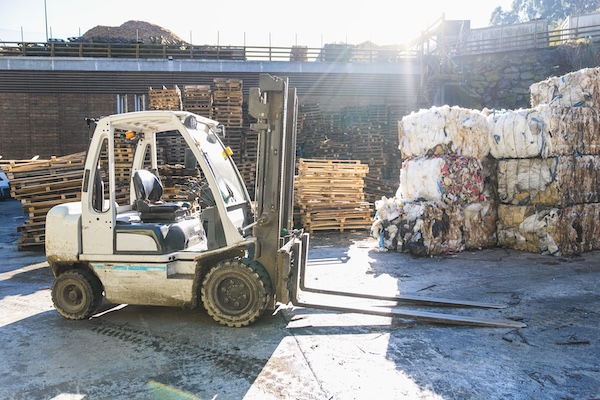
Manufacturers across wood, pallets, and plastics are looking for ways to cut waste costs and prove stronger environmental stewardship. If your plant still relies on off-site hauling to manage scrap, now is the time to look closely at on-site shredding, compare the real numbers, and see whether an on-site system could keep more value inside your business.
When Off-Site Waste Starts To Break The Bank
For years, it felt simple to load containers, pay a tipping fee, and let a hauler take the problem away. Today those invoices are much harder to ignore.
A lumber processor in California was paying $550 per pull for 40-yard scrap containers. Across two locations they averaged five to seven pulls per week, which added up to roughly $3,000 every week and around $156,000 per year, before fuel surcharges and future increases.
Plants also absorb a steady labor drain as operators push bulky scrap across the floor, jockey containers into position, and wait on haulers. Bulky scrap handling can quietly consume hours each day that never show up as productive work.
Turning Scrap Into Feedstock Instead Of Expense
On-site shredding flips that equation by processing material at the source and turning it into consistent feedstock.
Many wood processors already sell fine shavings into animal bedding and related markets. When they add wood recycling shredders to handle offcuts and irregular pieces, they can convert that bulk into a refined biomass that flows into the same revenue stream instead of into a landfill bill. In cold northern climates, the wood waste that is produced by production processes can easily become a valuable asset that can heat your facilities and eliminate high monthly electric or NG bills.
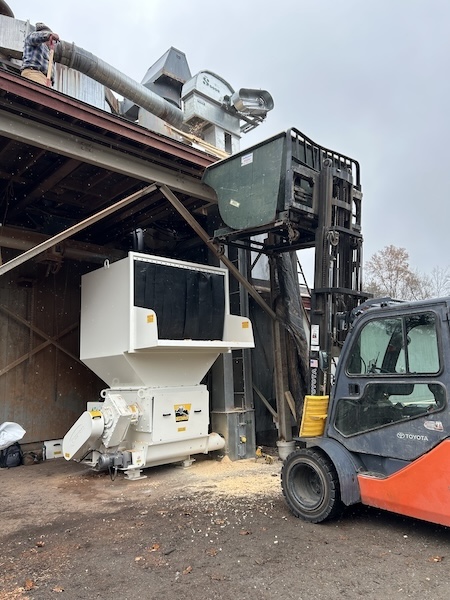
Plastics and packaging manufacturers are using similar strategies. A plant that produces PVC or PET skeletons can run those skeletons through plastic recycling pre-shredders, then finish them in downstream grinding. The result is clean flake that buyers are ready to purchase as feedstock. Film producers can use plastic film recycling shredders to turn webs, trims, and roll ends into reusable resin, supporting both margin targets and customer sustainability demands.
Capabilities Modern On-Site Systems Deliver
Instead of relying on one generic machine, manufacturers are designing systems around specific scrap streams and uptime requirements, often built on:
- American made industrial shredders sized to match incoming volume and service expectations
- Pallet recycling shredders that turn bulky pallets into dense, transport ready chips
- Wood recycling shredders for trim blocks, rippings, slabs, and other irregular offcuts
- Plastic recycling pre-shredders that prepare large parts, purgings, and skeletons for efficient grinding
- Plastic film recycling shredders tuned for efficiently processing thin, flexible materials
Looking Ahead At Stricter Standards And Better Options
Waste regulations, customer scorecards, and corporate goals are all tightening. Plants that remain dependent on off-site disposal will keep feeling more pressure on cost and reputation.
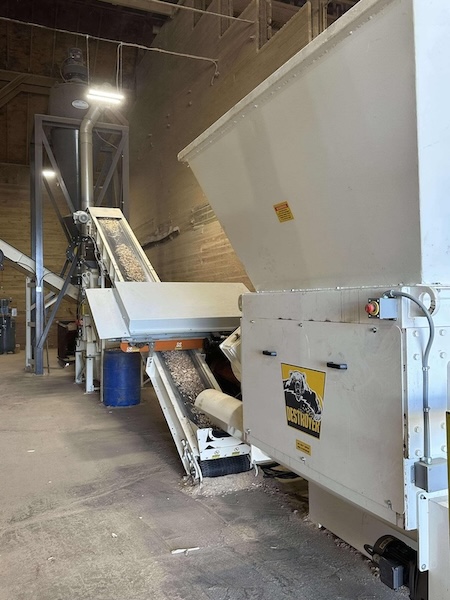
Manufacturers that invest now in on-site shredding, built around the right mix recycling equipment, will be the ones turning scrap into new opportunities.
If you want to understand what that could look like in your facility, start by mapping your current scrap streams, putting real numbers to your hauling and labor costs, and then talking with a partner, like Cresswood, who designs these systems every day.
Recent Comments