

The Pallet Industry Is Navigating a Tough Stretch
Every year, the NWPCA Annual Leadership Conference brings together operators, suppliers, and industry leaders to talk through what is happening in the wooden pallet and container space. The conversations from this year’s event reflected an industry under real pressure, and the themes that kept coming up are worth paying attention to whether you attended or not.
If you run a pallet or container operation, the environment feels different right now. Margins are tighter, planning is harder, and decisions that used to feel routine now carry more weight. A few converging pressures are behind that shift and understanding them clearly is the first step toward responding well.
Fuel Costs Touch Everything
Rising tensions in the Gulf have pushed diesel prices higher, and for the pallet industry the ripple effect hits from multiple directions at once. Everything in our economy moves on pallets, and trucks, trains, planes, and ships transport those pallets from manufacturers to end users. When fuel climbs, cost pressure arrives simultaneously through freight, raw materials, and customer pricing tolerance. Margins that looked reasonable six months ago look different today.
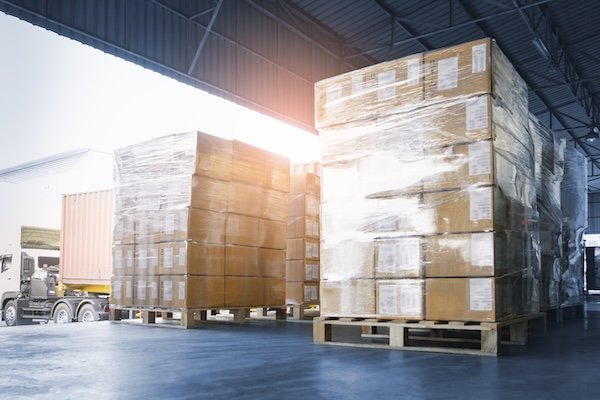
The correlation between diesel and broader inflation is historically well established. That does not make it easier to manage in practice, but it does mean the playbook is well documented. Building pricing flexibility into your model now, rather than waiting for the next spike to force the conversation with customers, is one of the more straightforward moves available to operators right now.
Labor Scarcity Is Structural, Not Temporary
Finding and retaining quality workers remains one of the most consistent pain points across the industry. Wages have risen, turnover is high, and the experienced plant worker pipeline has not kept pace with demand.
The operators managing this best are making targeted investments in technology and workflow improvements that help leaner teams operate more effectively. That demand is also shaping what people expect from their equipment. American made industrial shredders and world class industrial grinders are increasingly being evaluated not just on output, but on how reliably they run with a smaller crew managing them.
The mindset shift that tends to matter most here is accepting that this is not a temporary condition to wait out. Building operations that function well at today’s labor availability, rather than staffing models built around a workforce market that may not return, is the more durable approach.
Wood Waste Has Real Value
Another actionable conversation from this year’s conference centered on wood residuals and how operators are rethinking them. Tipping fees and disposal costs have climbed steadily, and many plants are reaching a point where on-site processing makes clear financial sense. Clean biomass has active end markets in animal bedding, mulch, and boiler fuel. Operators pairing pallet recycling shredders or wood recycling shredders with buyers for that material are turning disposal from a recurring cost into a revenue stream.

When fuel, labor, and disposal costs all move in the same direction at once, a wood waste recycling shredder that offsets tipping fees starts to look less like a capital purchase and more like a straightforward cash flow decision. That reframe is worth doing the math on if you have not recently.
What This Means in Practice
The operations that seem best positioned right now share a few traits. They are not waiting for conditions to stabilize before making decisions. They are finding ways to extract more value from what they already have, including their equipment, their waste streams, and their existing workforce.
Cresswood builds equipment for exactly this kind of operating environment. We follow these industry pressures closely because they shape what our customers need from their machinery, and that informs how we build, support, and stand behind what we make right here in America.
Recent Comments